What is the Average Time To Sell A House In Los Angeles?
The timeline for selling a home in Los Angeles depends heavily on your specific micro-market. On average:
- Market Exposure: Homes typically receive an offer within 30 to 60 days.
- Escrow & Closing: Once an offer is accepted, the legal and financial process adds another 30 to 45 days.
- The “Stale” Threshold: Properties that remain active for 90 days or longer are often overpriced or poorly presented.
When you factor in preparation time, the total process often spans 60 to 90 days from start to finish. However, partnering with a premier real estate agency in Los Angeles can significantly compress this window by front-loading the preparation and legal work.
Factors That Affect Selling Time
Several variables act as “accelerants” or “brakes” on your selling timeline:
- Pricing: This is the primary driver of speed. A “sweet spot” price triggers immediate urgency.
- Location: Proximity to tech hubs (Silicon Beach) or iconic neighborhoods impacts buyer velocity.
- Condition: Move-in-ready, “turn-key” homes sell exponentially faster than those needing repairs.
- Marketing Strategy: High-definition visibility determines how many qualified buyers see your property in the first 48 hours.
Step-by-Step Timeline Of Selling A Home
Selling a home in Los Angeles is a structured process; each stage builds momentum toward a successful close.
[Visual 1 – “Your sale is decided in the first 14 days”]
- Week 1-2: Preparation & Staging
Cleaning, making repairs, and creating an ultra-premium staging presentation so buyers get an idea of that really special lifestyle.
Our property hits the MLS – and we give it an extra boost using strategic digital marketing techniques all over town.
- Week 3-6: Showings & Bidding
Setting up all the showings and navigating those super competitive multiple-bid situations intelligently.
- Week 6-8: Negotiation & Acceptance
Checking out potential buyers’ financial resources and finally signing a completely legal contract.
- Week 8-12: Escrow & Closing
Final inspections, doing thorough title checks, and getting everything funded.
Selling is about timing and execution. With the right preparation, pricing, and marketing, every step moves you closer to a faster, more profitable closing.
Why Some Homes Sell Faster Than Others?
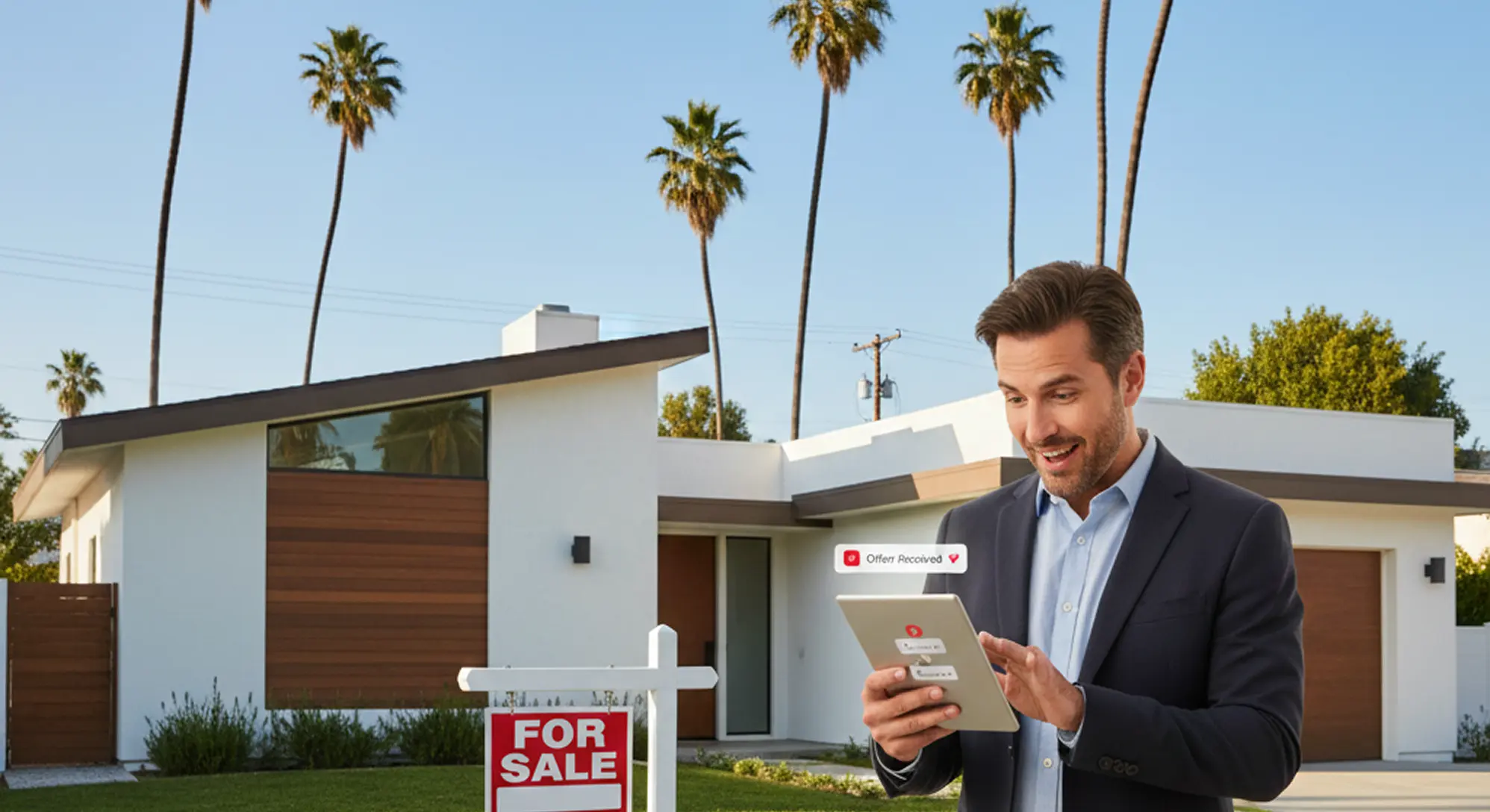
The difference between a home that closes in ten days and one that sits for ten months usually comes down to execution. Homes that sell quickly create a “fear of missing out” (FOMO), compelling buyers to act before they miss out.
[Visual 2 – “How fast sales create momentum?”]
This is achieved through:
- Cinematic Visuals: In 2026, the first showing happens on a smartphone. Utilizing drone footage and high-end video tours isn’t just a luxury; it’s a requirement to capture the attention of international and out-of-state buyers.
- Strategic Accessibility: Friction kills deals. Making a home easy to show, especially to high-net-worth buyers who often operate on tight, unpredictable schedules, is essential for building immediate momentum.
- Agent Proactivity: Speed is driven by agents who “merchandise” a home rather than just listing it. Using data-driven insights to find the buyer, rather than waiting for the buyer to find the home.
How To Reduce Days On Market?
If your target is a quick sale, you really have to concentrate on the high-impact areas that eliminate buyer hesitation and make it much easier for them to get to an offer – right away:
- Price it just right from day one: “Testing the market” with a high price will kill interest faster than anything else. The most activity happens in those initial 14 days; if you squander that time frame on an unattainable price, you’ll lose out on your most motivated prospects.
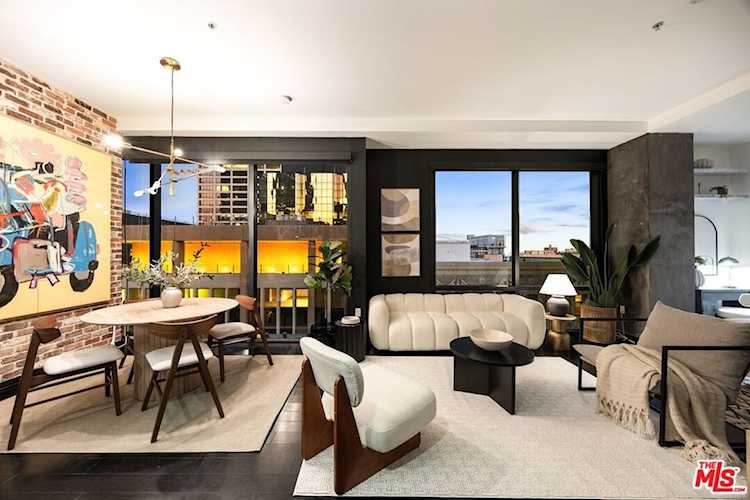
- Invest in presentation: professional home staging is quite a powerful psychological tool. It lets buyers envision themselves living that aspirational lifestyle, which builds their emotional investment and makes them far more confident about putting in a very high-value offer.
- Pre-inspect your home: Surprises are actually the number one reason why deals fall through. By identifying and fixing structural or mechanical problems before the home is put on the market, you prevent the buyer from gaining excessive leverage during the inspection period.
Pricing Strategy And Its Impact On Timeline
Pricing truly holds the key to managing your “Days on Market” (DOM). There’s a very real inverse relationship between how accurately you price your home and how long it actually takes to sell.
- Dangers of Overpricing: An overpriced house creates a “dead zone” – an area of very little interest. Eventually, this will require a price decrease – a change that buyers will more than likely see as a sign of panic or even a hidden problem with the property itself.
- Power of Strategic Pricing: A correctly priced home, or one priced ever so slightly below market value to spark a bidding war, really creates a competitive scene.
And this competition quite frequently results in a “bidding frenzy”, pushing the ultimate sale price way above your original goal while closing the deal at a lightning-quick pace.
The TruLine Advantage: The Role of Marketing in Faster Sales
In 2026, the first “showing” happens on a smartphone. Effective marketing ensures your home stops the scroll. This includes targeted social media ads and exclusive “Grand Opening” events that create an aura of scarcity.
To sell fast without leaving money on the table, you need more than an agent; you need a legal and strategic powerhouse. TruLine Realty offers a multidisciplinary approach that no standard brokerage can match.
FAQs
- How long does it take to sell a house in Los Angeles?
Most homes receive an offer within 30 to 60 days, although the process, including the escrow period, usually takes 60 to 90 days.
- What affects ‘Days on Market’ the most?
Your pricing is really the number one factor. Even a beautifully built home will sit on the market if its price isn’t aligned with what buyers are thinking right now and the current interest rates.
- Can I sell my house faster than the average time?
Absolutely. By setting your price just a bit lower and investing in professional staging and some really cinematic marketing, many homes sell in less than 14 days.
- What happens if my home doesn’t sell quickly?
You should really re-evaluate those two key elements: price and presentation. Usually, adjusting the price by 3% to 5% or making minor staging changes can really get potential buyers interested again.
- Should I accept the first offer?
Not necessarily. In a very active market, the first offer might be the strongest; however, an experienced attorney-led team will help you review terms such as contingencies and proof of funds to ensure the deal won’t suddenly fall apart.
Conclusion
The speed of your sale is not a matter of chance; it is a result of how well your property is positioned from the very first click. Homes that are priced with precision, prepared for an aspirational lifestyle, and marketed with global reach always move faster.
By following a structured, attorney-led plan, you can turn the complexity of the Los Angeles market into a strategic advantage. For those who refuse to settle for average results, the experts at TruLine Realty offer the high-definition guidance needed to dominate the market. Don’t just list your home; ensure it sells with the speed and value it deserves by visiting TruLine Realty’s Seller Portal.
Key Takeaways
- In Los Angeles, the average timeline to sell and close ranges from 60 to 90 days.
- Pricing accuracy remains the single most critical factor in minimizing your days on market.
- Attorney-led firms offer a distinct strategic advantage, ensuring stronger negotiations and smooth handling of complex legal documentation.
- Achieving a premium sale also demands comprehensive marketing, from cinematic video production to precisely targeted digital advertising.